

Watching the movie “(500) Days of Summer” from Summer Finn’s perspective is an uncommon approach, but for those who see reflections of themselves in her character, it offers profound insights. Summer Finn is more than just a character in a romantic comedy; she embodies the complexity and autonomy that many women experience but are seldom depicted in film. My connection with Summer stems from our shared traits and experiences—understanding her as a person provides a deeper appreciation of her character and the movie’s message.Summer’s decision to cut her hair short symbolizes more than a simple change in style; it reflects her autonomy and desire for change.

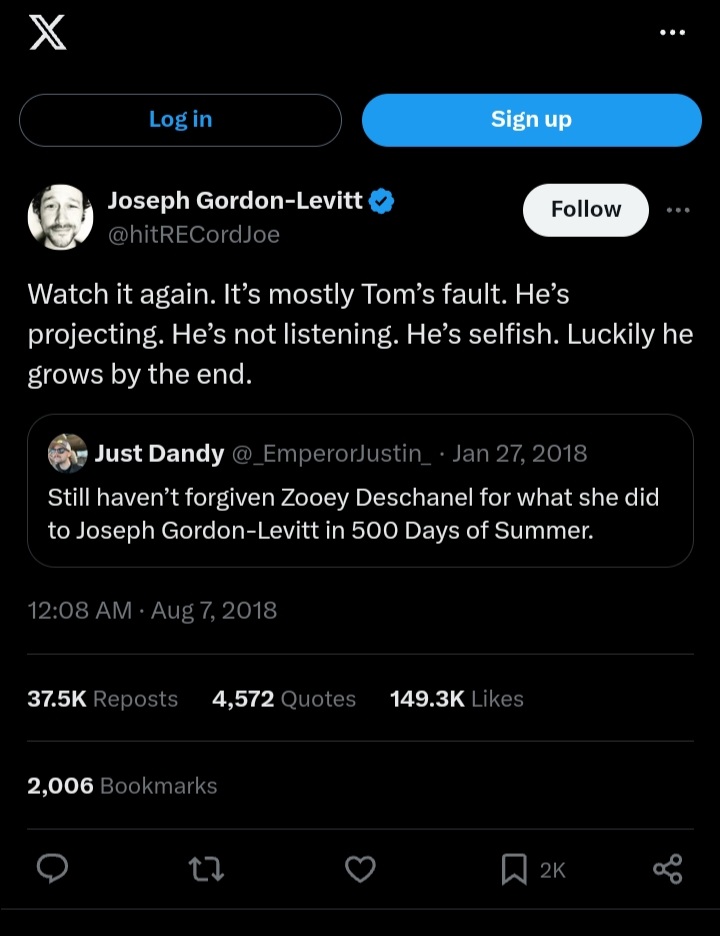
Throughout the film, Tom Hansen views Summer as a broken girl in need of fixing, failing to see her for who she truly is: a woman seeking fun and spontaneity without the need for a conventional relationship. Summer’s clarity about her intentions from the beginning is often overshadowed by Tom’s idealized perception of her. This dynamic highlights a broader societal issue where women are often viewed as concepts rather than individuals. “It’s official. I’m in love with Summer. I love her smile. I love her hair. I love her knees. I love how she licks her lips before she talks. I love her heart-shaped birthmark on her neck. I love it when she sleeps.” -note how Tom only compliments her physical attributes and not a single thing that reveals anything about her as a person. While summer from the very beginning announces her intentions towards Tom-“I like you, Tom. I just don’t want a relationship”. If this was narrated from the perspective of Summer, we the audience would have had a much deeper peek into the struggles of Summer’s own personhood.
Summer Finn stands out in the realm of romantic comedies. Unlike the typical heroine who bends to fit the male protagonist’s narrative, Summer walks away, confident in her desires and unbothered by the need to please. If the story had been told from Summer’s perspective, her autonomy and clear intentions would have been more pronounced, challenging the manic pixie dream girl stereotype she is often mislabeled with. Her character illustrates the irony of being misunderstood and stereotyped in a world that struggles with genuine self-awareness.

In today’s culture of fleeting relationships, “(500) Days of Summer” serves as a cautionary tale. It portrays the reality of situationships where one person is overly invested, and the other remains detached. The film warns against delusions in romantic relationships and emphasizes the importance of self-awareness. Summer’s recounting of her past relationships, marked by naive reasons for dating, holds a mirror to many viewers’ experiences. It underscores the need for self-discovery before seeking meaningful connections.Tom’s perception of Summer, fueled by superficial commonalities like shared music tastes, underscores a common mistake in relationships—confusing surface-level similarities with deep compatibility. Summer’s story is not one of doomed romance but a lesson in understanding oneself and recognizing the realities of modern relationships. It urges viewers to pay attention to themselves and the world around them, finding personal clarity before seeking their “Autumn.”
Reflecting on my connection with Summer Finn, I realize that she has been both a mirror and a window for me. Through her character, I have seen parts of myself and gained insights into the experiences of others. “(500) Days of Summer” made Summer’s character relatable in ways that transcend the typical romantic comedy narrative, offering a profound commentary on love, self-awareness, and personal growth.
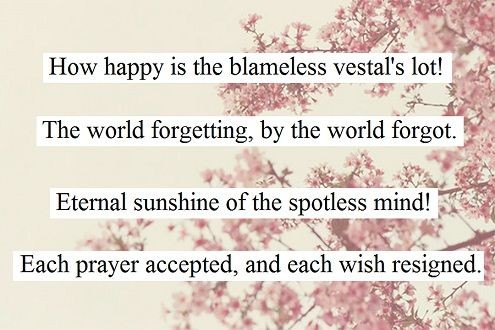
Summer Finn’s journey in “(500) Days of Summer” parallels Clementine Kruczynski from “Eternal Sunshine of the Spotless Mind.” Both characters resist conventional romantic roles and emphasize emotional autonomy. They challenge their partners to see them as individuals, not fantasies, highlighting the need for self-discovery and authenticity in relationships. Even though Clementine had her own mental mess to compartmentalise and also she was way more present and active in her relationship emotionally than summer ever was. Yet her ” Too many guys think I’m a concept, or I complete them, or I’m gonna make them alive. But I’m just a fucked-up girl who’s lookin’ for my own peace of mind” quote directly resonates with summer and her situation. Thus, creating a connection between the two seemingly ‘manic pixie’ heroines of our favourite ‘doomed romance’ films.
Also, I asked chatgpt to rephrase my essay cause I am too tired+ busy to edit it myself. (-1000 aura points to me for that)
To end this, let us view “500 Days of Summer” as a cautionary tale rather than a doomed romance, recognizing Summer as a real person rather than blaming her. Fifteen years after this masterpiece! Lastly, thanks to my friend P. for recommending both the movies. Miss having the same taste in music as him 😉
 Addie
Addie 